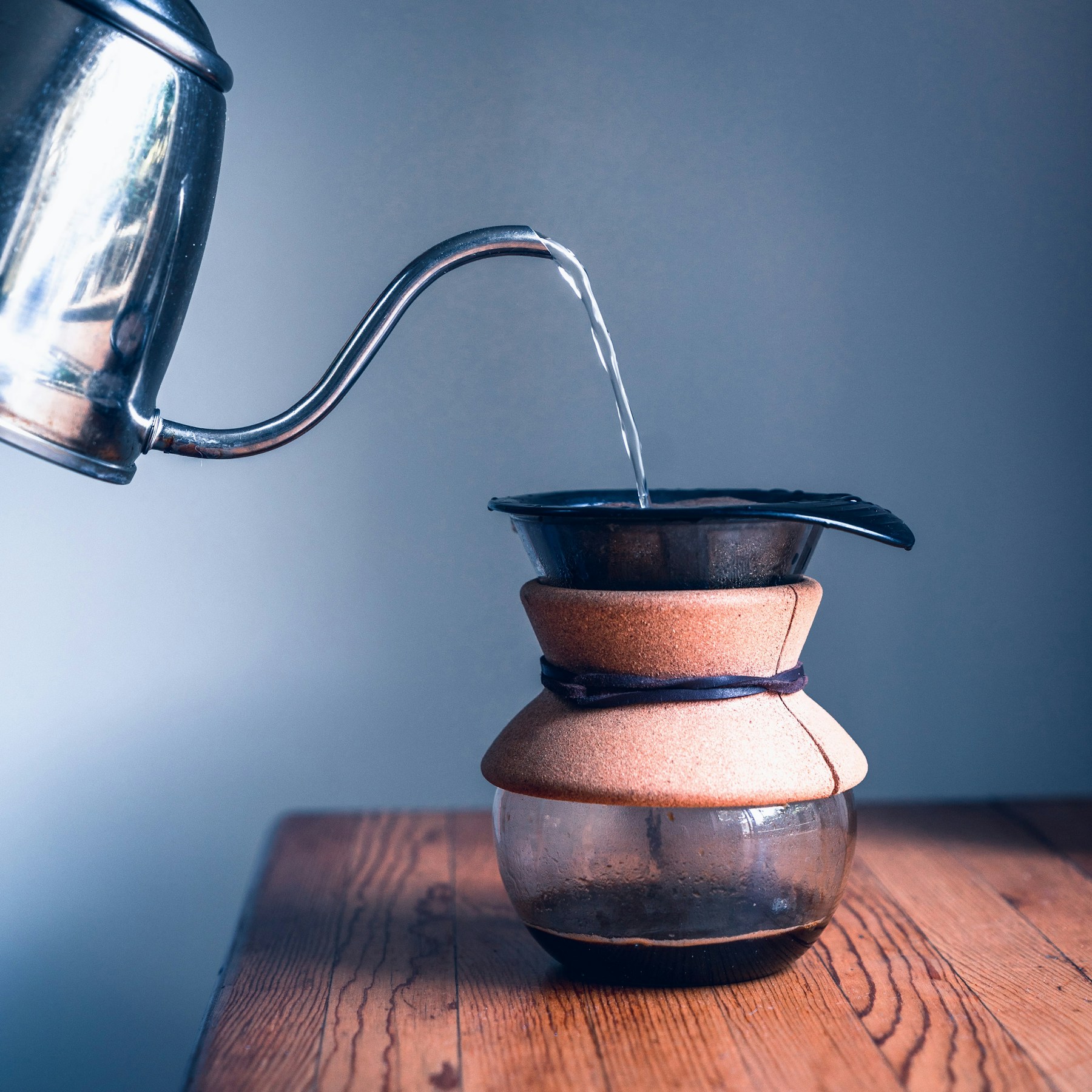
Forget what you're supposed to like.
Somewhere along the way, coffee acquired a strange habit of making people feel that their own taste was incorrect. Like a dark roast? Apparently you're unsophisticated. Prefer a bright, floral filter coffee? Somebody will tell you it tastes like lemon water and needs to grow up. Put milk in it and you'll upset a third group entirely.
It's all a bit exhausting. Coffee isn't a personality test. The only useful question is whether you want another cup.
Finding what you like is easier once you can separate three things that get muddled together on coffee bags: where the beans grew, how they were processed and how they were roasted. None acts alone. Add the plant variety, growing conditions, storage and brewing method, and you begin to understand why two bags from the same country can taste wildly different.
Start with the sensations, not the tasting poetry.
Before memorising a list of countries, decide where your palate tends to go. Do you like something round, sweet and chocolatey? Or something bright, fragrant and fruit-led? Do you prefer a heavier cup with plenty of body, or a cleaner, lighter drink that feels almost like tea?
Acidity is one of the most misunderstood words in coffee. Good acidity can be lively and pleasant, like biting into a ripe orange or apple. It isn't the same as sour, underdeveloped unpleasantness. Bitterness isn't automatically bad either: dark chocolate has bitterness, and so does a well-made espresso. What matters is whether it belongs with the rest of the cup.
The formal vocabulary is extensive. World Coffee Research's Sensory Lexicon catalogues 110 sensory attributes, and the Specialty Coffee Association's flavour wheel helps people describe them. Both are useful. Neither requires you to pretend that every mouthful contains three tropical fruits and a distant memory of jasmine growing outside a monastery.
Start with ordinary words: sweet, sharp, nutty, floral, syrupy, drying, rich, clean. That's enough to buy the next bag intelligently.
What different countries can taste like.
These are common tendencies in particular specialty-coffee styles, not fixed national flavour profiles. A washed Ethiopian coffee and a natural Ethiopian coffee can be quite different. A dark roast from Kenya might hide the very brightness people associate with Kenyan coffee. Farm, variety, altitude, processing and roast can all overturn the neat labels.
Ethiopia — flowers, citrus and fruit.
Ethiopia is an excellent place to explore coffees that feel fragrant rather than heavy. Washed lots from regions such as Yirgacheffe or Sidama may be floral, tea-like and citrusy; naturally processed lots can bring more obvious berry and ripe-fruit character. Some are delicate, some intensely aromatic. If you think coffee only tastes of coffee, an expressive Ethiopian lot can be a rather entertaining argument to the contrary.
Kenya — vivid and juicy.
Kenyan specialty lots, especially carefully processed washed coffees, are often sought for bright acidity and fruit tones that drinkers compare with blackcurrant, citrus or other berries. They can be thrilling or far too lively for someone who wants a mellow morning mug. Neither reaction needs correcting.
Rwanda and Burundi — sweetness with lift.
Both countries produce distinctive East African coffees. Washed lots may combine citrus or red-fruit brightness with sweetness and a tea-like quality. Details vary enormously between farms and harvests. Look at the actual roaster notes before buying, rather than assuming geography has already written the tasting note for you.
Brazil — chocolate, nuts and familiarity.
Many Brazilian coffees, particularly those chosen for traditional blends, offer cocoa, roasted-nut and caramel directions with a rounded profile. That makes them a useful starting point if you're suspicious of anything described as 'sparkling acidity'. But Brazil also produces highly expressive specialty lots. It's one of the world's great coffee-producing countries, not a single chocolate-flavoured factory.
Colombia — balance, sweetness, variety.
Colombia is often associated with caramel, cocoa and gently fruity, balanced cups. Yet a higher-elevation washed lot can be very lively, and adventurous processing can produce far more unusual flavours. The familiar balanced Colombian is a good reference point, not the boundary of what's grown there.
Guatemala, Costa Rica and Peru — plenty of middle ground.
Guatemalan coffees often appeal to people who like cocoa, sweetness, spice and a bit of citrus. Costa Rica offers clean, bright washed examples and fruitier honey-processed styles. Peru produces everything from accessible chocolate-and-nut cups to delicate, high-grown specialty coffee. These countries reward looking beyond a country label to the specific region, producer and processing method.
Indonesia — body, earth and spice, sometimes.
Sumatran coffees prepared by wet hulling can have a heavier body and distinctive earthy, herbal or spicy tones. Some people adore that character. Others prefer a cleaner cup. Indonesia also produces washed and other process styles that differ considerably; don't assume every Indonesian coffee belongs in one flavour box.
Yemen, India and Vietnam — beyond the usual shortlist.
Historic Yemeni lots can show intense dried-fruit, spice and chocolate complexity, often at a premium. Indian coffees vary from relatively clean Arabica to deeper traditional blends; monsooned coffees are a distinct process-led style. Vietnam is famous for robusta, which can bring bold body and bitterness and deserves more thoughtful consideration than the lazy claim that it's automatically inferior. Species, quality and processing matter.
The process can rewrite the story.
The coffee cherry is a fruit. What happens to it after harvest matters enormously.
Washed: The fruit and mucilage are removed through a controlled process before drying. Well-executed washed coffees are often valued for clarity, clean flavour separation and lively acidity. That does not mean they're always light-bodied or always acidic.
Natural: Whole cherries dry with the fruit around the seed. They can develop fruit-forward sweetness and fuller character, sometimes with pronounced fermented notes. When drying and fermentation go wrong, they can also develop defects. A bag marked 'natural' isn't automatically a guarantee of strawberry jam.
Honey or pulped natural: Some fruit mucilage remains while the coffee dries. These coffees can sit in a broad range between clean, bright profiles and richer sweetness. The word 'honey' refers to processing, not added honey.
Experimental fermentation: Anaerobic, carbonic maceration and other controlled processes can produce striking fruit, wine-like or unusual aromas. Some are fascinating. Some taste as if the fermentation has drowned out the coffee. You are permitted to prefer the coffee.
Research on coffee processing shows real effects on volatile compounds and sensory character, but the individual farm and handling remain crucial. Processing is a clue, not a tasting-note vending machine.
Roast style: the biggest lever on the bag.
Light roast: Often preserves more of the coffee's fruit, floral and acidity character. It can be delicate and expressive, but an underdeveloped light roast may taste grassy, aggressively sour or simply unfinished. A properly roasted light coffee shouldn't need apologising for.
Medium roast: Often strikes a balance between origin character and roast-developed sweetness. Expect the possibility of caramel, chocolate, nuts and still some fruit. If you're unsure what you like, this is often an excellent place to begin.
Medium-dark: More roast character, lower perceived brightness in many coffees and a fuller, bittersweet impression. Often useful if you like a stronger-tasting cup or drink coffee with milk.
Dark roast: Roast flavours increasingly dominate: dark chocolate, toasted nuts, smoke, bitterness and sometimes an oily surface. Done well, it can be substantial and enjoyable. Done badly, it tastes like the inside of a neglected fireplace. Country character may be much harder to distinguish.
Roast labels are not standardised across every roaster. One company's medium is another's dark. Terms such as 'espresso roast' describe a proposed brewing use or house style, not a separate variety of bean. And darker does not necessarily mean more caffeine by an equal weighed dose: caffeine is not reliably inferred from bean colour alone.
The three-bag experiment.
If you want to stop buying coffee at random, try three genuinely different bags in small quantities. Ideally choose similar roast levels at first so you're not comparing a light Ethiopian with a very dark Brazilian and attributing the entire difference to country.
- Bag one: a washed, medium-roast Colombian or Guatemalan coffee as your balanced reference.
- Bag two: a washed, light-to-medium Ethiopian or Kenyan coffee for brighter, more floral or fruit-led possibilities.
- Bag three: a natural-processed Ethiopian or a medium Brazilian, depending on whether you want to test fruitiness or chocolate-and-nut body.
Brew all three using the same dependable method. The V60 starting recipe or the AeroPress works well for this. Adjust your grinder enough to give each bean a fair brew, but avoid changing every variable between cups. Taste when comfortably warm, then again as they cool.
Write down what you'd buy again, not what you think a serious coffee drinker ought to admire. 'Liked the smell, too sour when cool, beautiful with milk' is excellent data. So is 'boring compared with the other one'. You're building a map of your own preferences.
How to read a coffee bag without falling for nonsense.
Look for the country and ideally region or producer, the processing method, roast information, roast date and useful flavour descriptors. 'Single origin' can mean a farm, cooperative, region or country depending on the seller; it doesn't magically guarantee quality. Blends can be excellent, especially where consistency and balance are the point.
Buy appropriately fresh coffee from a roaster who provides real information. Store it sealed, away from heat, light and moisture, and grind near brewing if you can. Avoid buying months of beans merely because a bulk discount appears convincing.
Once you know you like a bright washed Ethiopian or a chocolate-led Brazilian, you've done something more valuable than memorising fifty tasting terms: you've found a direction. Then you can explore neighbouring styles, more unusual processes and different roasters without being led around by the most dramatic description on a bag.
For the mechanics of making a new coffee taste its best, read how to dial in grind size by taste. And remember: the right coffee is the one you'd happily put on again tomorrow. Everything else is commentary.