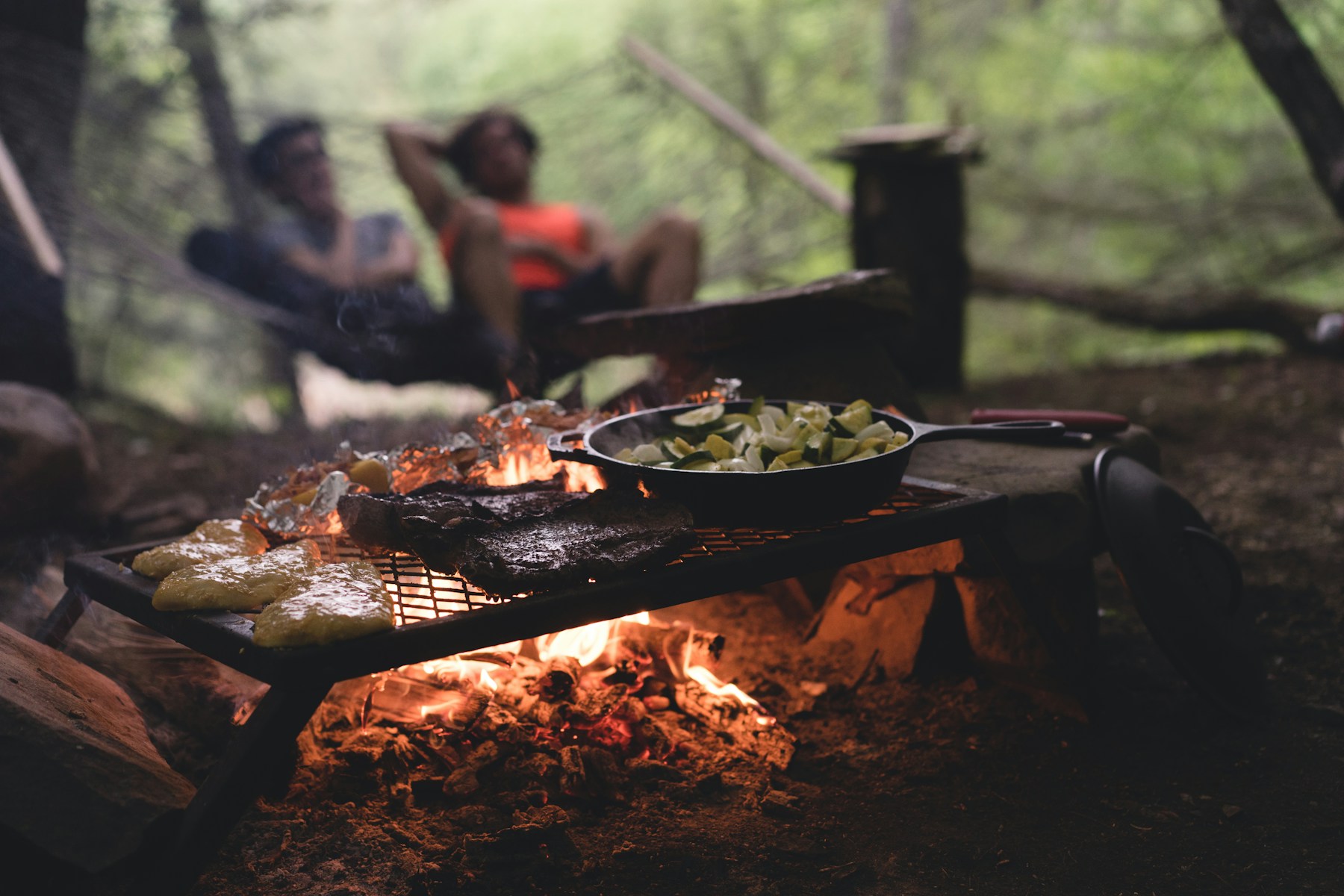
Wood smoke is seasoning, not a competitive sport.
There is a special sort of barbecue tragedy in buying excellent meat and then covering it in so much smoke that it tastes like a chimney sweep's overcoat. More smoke doesn't make dinner more serious. It just makes it smokier, and eventually worse.
Smoke comes from the incomplete combustion and thermal breakdown of wood. Its character depends on species, moisture, temperature, airflow and how cleanly the fuel burns. Wood labels are useful clues, not guarantees that a single chunk of apple will make a pork shoulder taste like pudding.
A practical guide to the woods.
- Oak: robust, broad and dependable. Excellent starting wood for beef brisket, pork shoulders and larger roasts. Good when you want smoke that stands up to fat without shouting.
- Hickory: assertive, savoury and classically associated with American bacon and barbecue. Pork and ribs take it well; use less than you think for chicken or fish.
- Apple: gentler, sometimes perceived as slightly sweet. Good with pork, poultry and mild vegetables. A friendly place for a beginner to start.
- Cherry: mild-to-medium fruitwood often chosen for pork and poultry; it can help develop appealing colour. Don't expect actual cherry flavour.
- Alder: delicate and traditionally associated with salmon and other fish. Ideal when you want the food's own flavour to remain obvious.
- Maple: mild and rounded; useful with chicken, ham, vegetables and cheese when the smoking method is safe for the food.
- Pecan: related in character to hickory but often perceived as mellower. Works with pork, poultry and other meats.
- Mesquite: strong, distinctive and easy to overdo in a long cook. Good with rich beef when used sparingly. Start with a small amount and decide whether you're a fan.
How to choose without buying eight bags.
There is no need to establish a private lumberyard behind the shed. Buy two woods to start. Oak and apple are a solid pair: oak for brisket, beef and the heavier pork cuts; apple for chicken, pork and gentler cooks. You'll learn more from repeating a few cooks with those than from throwing three different handfuls of mystery wood into every fire.
Smoke flavour comes from chemistry and combustion, but wood species is only part of the story. Damp wood, a choked fire and poor airflow can give you acrid smoke regardless of what attractive orchard the label claims it came from. Start with a clean fire, sensible oxygen flow and a modest quantity of dry, food-grade hardwood.
Chunks, chips and pellets are not interchangeable.
Chunks are well suited to charcoal smokers for gradual smoke generation. Chips ignite quickly and can suit some purpose-made trays and smoke boxes. Pellets belong in devices designed for them, following the brand's compatibility rules. Don't tip generic heating pellets into a food smoker and hope the label meant the same thing.
For the Ninja Woodfire range, use only pellets specified as compatible by Ninja for the model. In that cooker, electric elements provide cooking heat and the pellet charge provides flavour; it's not a miniature log burner.
What absolutely not to burn.
Never use painted, varnished, pressure-treated or chemically contaminated wood. Avoid soft, resinous woods such as pine and unsuitable timber scraps. Pallet wood of unknown origin, demolition waste and 'free wood from the shed' are not clever bargains. Food-safe hardwood from a reputable supplier costs very little compared with ruining somebody's dinner.
Smoke pairings that earn their place.
Beef brisket: oak first, maybe a little hickory. Pulled pork: apple or cherry, with oak if you want more backbone. Ribs: oak and apple together are difficult to beat. Chicken: cherry or maple; heavy mesquite can drown out the bird. Salmon: alder keeps the fish in charge. Vegetables: gentle apple smoke is usually plenty. None of these are laws. They're sensible starting points for people who'd rather eat than argue over timber.
The great soaking argument.
Some traditional manuals recommend soaking chips to slow ignition; other manufacturers specify dry fuel. Water does not turn wet wood into a magical long-burning flavour dispenser, and a poorly managed smouldering fire can make unpleasant smoke. Follow your smoker's instructions and use a modest quantity.
Start with oak for brisket, apple for pork, cherry for chicken and alder for fish. Then experiment. Mix oak and cherry for deeper pork smoke, or maple and apple for mild poultry smoke. Keep notes, especially if you're the sort of person who confidently remembers the details of a cook from seven weeks earlier. Memory is not an accurate thermometer either.
Don't make the mistake of treating every smoke ring or vivid bark as proof of superior flavour. The best smoke is the one that makes somebody ask for another piece of meat, not for a glass of water to wash the ashtray out of their mouth.